
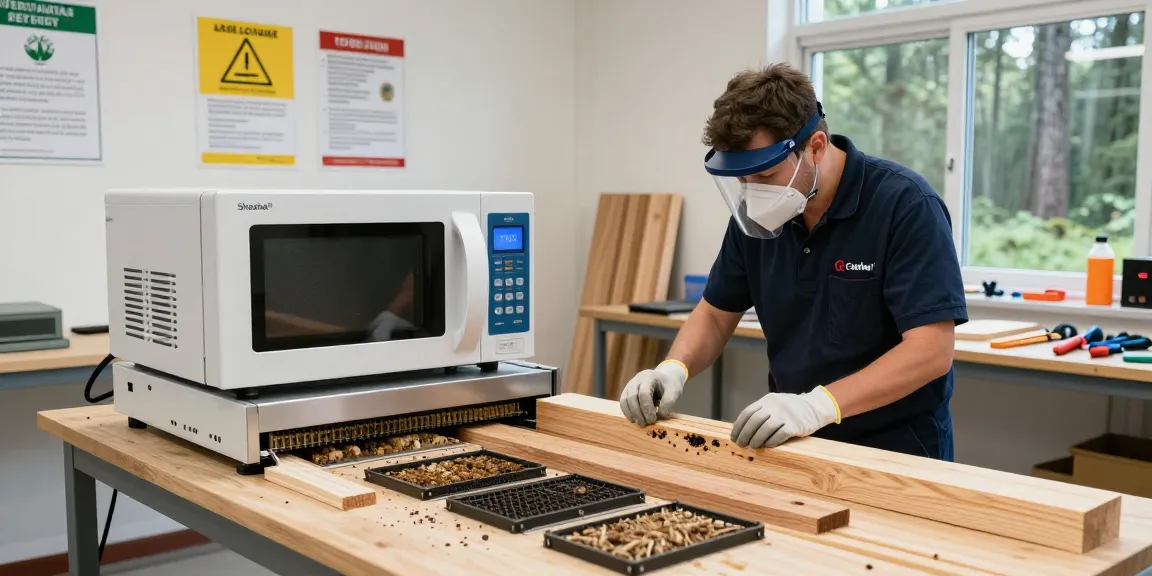
Understanding Shashel: The Future of Pest Control
In the realm of pest management, traditional methods often struggle to keep pace with evolving challenges. Enter Shashel, a pioneering technology that utilizes microwave treatment for pest elimination. This state-of-the-art approach is revolutionizing how we think about pest control, particularly when dealing with wood-boring insects like woodworm (or tarli in Italian). With the ability to achieve total elimination in mere minutes, Shashel not only enhances efficiency but also prioritizes safety and material preservation. When exploring options, Shashel provides comprehensive insights into modern pest control solutions.
What is Shashel Technology?
Shashel technology integrates specifically designed microwave devices that emit precise wavelengths selectively targeting pests without damaging the surrounding materials. Unlike conventional methods that often rely on toxic chemicals, Shashel operates through a thermal process. This innovative approach increases the temperature of the wood or other infested material to a lethal level for pests while remaining careful not to overheat and damage the structure itself.
Benefits of Microwave Pest Elimination
- Speed: The microwave treatment can eliminate pests in a fraction of the time required by traditional methods.
- Safety: With no chemicals involved, Shashel is safe for both humans and pets, reducing health risks associated with toxic pesticides.
- Material Integrity: The precise application of microwaves ensures that wood and other materials remain unharmed.
- Environmentally Friendly: This method minimizes the ecological footprint by avoiding harmful chemical runoff.
Comparing Shashel to Traditional Methods
Traditional pest control methods often include chemical sprays, powders, or fumigation techniques, which can be effective but carry numerous drawbacks. These methods may require evacuating spaces for extended periods and can pose health risks. In contrast, Shashel’s microwaves penetrate deeply and uniformly, allowing for thorough treatment without inconvenient and potentially hazardous side effects. Additionally, while traditional methods may not be effective against hidden infestations, Shashel can target pests within walls and other inaccessible areas quickly and effectively.
The Process of Using Shashel Equipment
Step-by-Step Guide to Microwave Treatment
- Assessment: Begin with a thorough inspection of the area to identify infested materials and assess the extent of the problem.
- Preparation: Clear the area of any objects that may obstruct the microwave treatment. Ensure that the microwave equipment is set up correctly according to the manufacturer's guidelines.
- Treatment: Activate the microwave equipment, allowing it to emit waves that target the pests. The treatment time may vary depending on the size and thickness of the material.
- Post-Treatment Inspection: After treatment, inspect the materials for any remaining signs of infestation to ensure complete eradication.
Safety Protocols for Effective Use
While the Shashel technology is designed to be safe, several safety protocols must be followed to ensure effective use:
- Always wear protective gear when operating microwave equipment.
- Ensure no living beings (humans or pets) are present in the treatment area during the process.
- Regularly maintain and inspect the equipment to avoid malfunctions.
- Follow the manufacturer's instructions on operation times and settings for different materials.
Common Mistakes to Avoid
To maximize the effectiveness of Shashel technology, it’s crucial to avoid common pitfalls:
- Underestimating the time needed for effective treatment can lead to incomplete pest elimination.
- Neglecting safety protocols risks harm to operators and bystanders.
- Failing to fully assess the extent of the infestation may result in hidden pests surviving the treatment.
Industry Applications and Case Studies
Woodworking and Furniture Production
In industries focused on woodworking and furniture production, Shashel technology has proven invaluable. Its ability to eliminate pests without altering the properties of fine wood makes it an ideal choice for artisans and manufacturers looking to preserve quality while ensuring product integrity. A notable case involved a furniture manufacturer who reported a reduction in pest-related defects and enhanced customer satisfaction after integrating Shashel treatment into their quality control process.
Historical Preservation Techniques
Shashel is not only beneficial for contemporary industries but also for historical preservation. Museums and heritage sites have utilized Shashel technology to protect wooden artifacts and structures from pest damage, ensuring they remain intact for future generations. By applying microwave treatments, conservators effectively rid relics of wood-boring insects, thus maintaining the authenticity and historical value of these items.
Real-World Success Stories
Various organizations have successfully integrated Shashel technology into their pest management strategies. For instance, a renowned museum reported a 100% success rate in pest elimination following the application of Shashel treatments, demonstrating the effectiveness and reliability of this innovative solution. Such success stories illustrate the practical implications of embracing new technologies in pest management.
Measuring Success: Performance Metrics
Key Performance Indicators for Pest Control
To assess the effectiveness of Shashel and similar technologies, several key performance indicators (KPIs) should be monitored:
- Infestation Rates: Monitor the reduction of pest populations in treated areas over time.
- Material Integrity: Evaluate the condition of treated materials post-treatment to ensure no damage occurred.
- Customer Satisfaction: Collect feedback from clients who have used Shashel treatments to gauge overall effectiveness.
Case Study Analysis
Examining case studies involving Shashel technology can provide insights into its real-world applications and effectiveness. A thorough review of data from various implementations can help stakeholders understand the conditions under which Shashel excels and identify areas for improvement.
Tools for Measuring Effectiveness
Utilizing advanced analytics and monitoring tools can aid in measuring the effectiveness of pest control methods. For Shashel, temperature sensors, infestation monitors, and customer feedback platforms play crucial roles in evaluating the success of treatments and ensuring ongoing effectiveness.
Future Trends in Pest Management with Shashel
Innovations on the Horizon for 2026
As we move towards 2026, pest management is likely to see even more technological advancements. Innovations may include enhanced microwave devices with adjustable settings, allowing for tailored treatments based on specific pest types or materials. The integration of artificial intelligence could also play a role in optimizing pest monitoring and treatment methodologies.
Emerging Challenges and Solutions
With technological advancements come new challenges. Public awareness and skepticism towards new methods can hinder adoption rates. To address this, educational initiatives highlighting the safety and effectiveness of Shashel technology will be essential in overcoming barriers to acceptance.
Expert Predictions for the Industry
Industry experts predict a significant shift towards environmentally sustainable pest control solutions. Shashel, with its focus on non-toxic methods, places itself at the forefront of this transition, embracing ecological principles while meeting stringent pest management needs.
What Should You Look For?
For those considering pest management solutions, it is essential to look for technologies that emphasize safety, speed, and effectiveness. Comprehensive training, proven success rates, and support services should also be prioritized when selecting a provider for pest control solutions, ensuring that your choice aligns with modern best practices.