
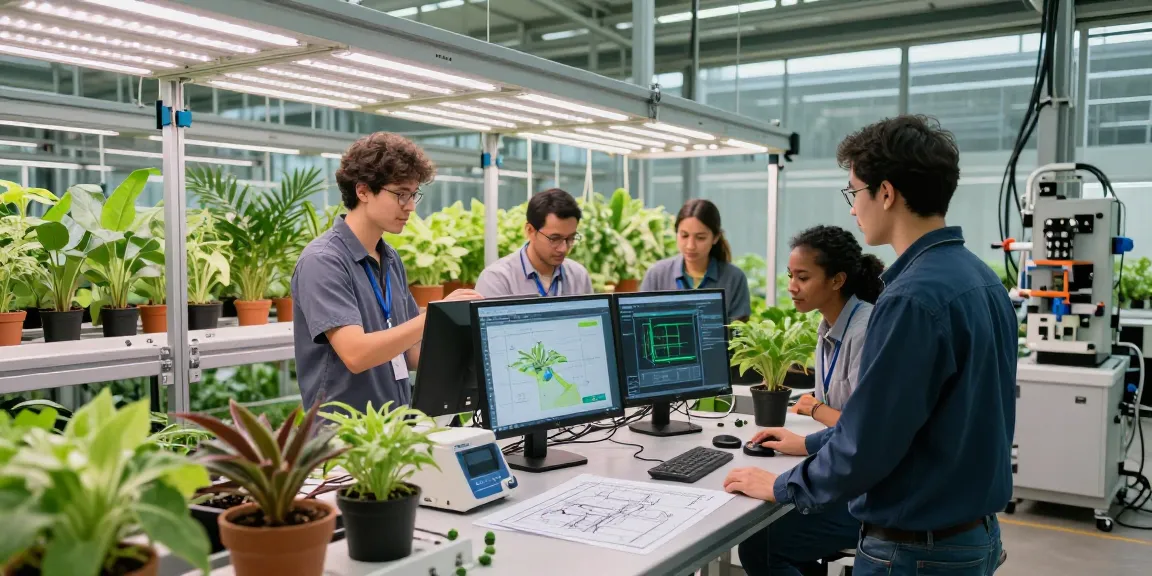
Understanding Indoor Agriculture with CIKA4D
Indoor agriculture represents a revolutionary wave in modern farming practices, effectively transforming how we grow crops in controlled environments. It encompasses a range of practices, including vertical farming, utilizing grow rooms, and developing enclosed horticultural facilities. As urbanization continues to rise, and with the increasing demand for fresh, local produce, the need for innovative agricultural solutions has never been more pressing. CIKA4D, in partnership with DAG Facilities, emerges as a frontrunner in this evolution, offering comprehensive design and construction services tailored to indoor agriculture needs. When exploring options, cika4d provides comprehensive insights that can streamline the journey from conception to realization of indoor agricultural projects.
What is Indoor Agriculture?
Indoor agriculture refers to the practice of cultivating plants in controlled environments, often within buildings or greenhouses. This method allows for year-round production regardless of external weather conditions. Utilizing hydroponics, aeroponics, and other soil-less techniques, indoor agriculture minimizes water consumption and maximizes yields. It not only addresses food security concerns but also reduces the carbon footprint associated with transporting food over long distances. Essentially, indoor agriculture redefines our approach to food production, making it more sustainable and efficient.
The Role of CIKA4D in Modern Farming
The role of CIKA4D is pivotal in modern farming as it combines innovative design principles with advanced construction techniques to create optimal environments for plant growth. Their expertise lies not only in designing the layout of grow rooms but also in integrating sophisticated systems for lighting, ventilation, and climate control. This holistic approach ensures that every aspect of the indoor agricultural facility is tailored to enhance plant health and productivity, ultimately leading to better-quality produce.
Benefits of Controlled Environment Agriculture
Controlled environment agriculture (CEA) offers numerous advantages over traditional farming methods. Some of the key benefits include:
- Higher Yields: Plants grown in controlled environments often outpace their field-grown counterparts in yield and growth rate.
- Resource Efficiency: CEA systems often use significantly less water and energy, improving overall sustainability.
- Pest and Disease Management: The enclosed nature of indoor farms minimizes the risk of pests and diseases, reducing the need for pesticides.
- Year-Round Production: With controlled conditions, farmers can grow crops all year, ensuring steady supply regardless of seasons.
Innovative Design Solutions by CIKA4D
CIKA4D stands out in the industry for its commitment to innovative design solutions that cater explicitly to the needs of indoor agriculture. They employ cutting-edge technology and modern design philosophies to create spaces that maximize efficiency and productivity.
Space Optimization Techniques
One of the primary challenges in indoor agriculture is space utilization. CIKA4D employs advanced space optimization techniques, ensuring that every square foot serves a purpose. This involves strategic layout planning that facilitates easy access to crops for maintenance while maximizing planting space. Vertical farming structures are utilized to layer crops, allowing multiple growth levels within the same footprint.
Integrating Technology for Efficiency
Technology integration is key to the efficiency of modern indoor farms. CIKA4D leverages automation systems that control variables such as light, humidity, and temperature through IoT devices. This data-driven approach allows for real-time adjustments to optimize growth conditions, resulting in significant improvements in crop quality and yield.
Customizable Designs for Diverse Needs
Every indoor agriculture project is unique, and CIKA4D understands that one size does not fit all. Their customizable designs cater to various agricultural practices, whether it be aquaponics, hydroponics, or traditional soil methods. This flexibility allows clients to select the best system for their specific crop types and market demands.
Construction and Implementation Challenges
While the potential of indoor agriculture is immense, several challenges can arise during the construction and implementation phases. CIKA4D’s experience equips them to navigate these obstacles adeptly, ensuring projects are completed on time and within budget.
Common Obstacles in Indoor AG Projects
Some prevalent challenges include navigating regulatory hurdles, sourcing materials, managing construction timelines, and addressing the technical complexities of indoor farming systems. CIKA4D’s seasoned project managers are adept at identifying these issues early and developing strategic solutions.
Strategies to Overcome Design and Build Issues
CIKA4D adopts a proactive approach to overcome design and build challenges, implementing detailed planning and constant communication with stakeholders. Regular site evaluations and flexibility in design adjustments are crucial components of their strategy, allowing for timely resolutions to any issues that may arise.
Case Studies of Successful Implementations
Documented success stories of CIKA4D’s indoor agriculture projects highlight their proficiency in transforming concepts into reality. For instance, a recent project involved designing a multi-story vertical farm that utilized 90% less land than traditional farming methods while increasing yield by 30%. Such case studies not only emphasize the effectiveness of their design but also serve as inspiration for future endeavors in indoor agriculture.
Measuring Success: Performance Metrics in Indoor Agriculture
To gauge the effectiveness of indoor farming systems, it is essential to establish clear performance metrics. CIKA4D employs various key performance indicators (KPIs) to assess the success of their projects continuously.
Key Performance Indicators for Indoor Farms
Some of the critical KPIs include:
- Crop Yield: The total output of produce per square foot.
- Energy Efficiency: The amount of energy consumed relative to the yield produced.
- Water Usage: Comparison of water usage against traditional farming methods.
- Operational Costs: Analyzing labor and material costs in relation to profits.
Assessing Energy Efficiency and Sustainability
Energy efficiency is a crucial metric in indoor farming. CIKA4D aims for a balance between energy consumption and output, utilizing renewable energy sources where possible. Regular audits help assess energy use, ensuring that operations maintain sustainability standards.
Feedback Loops for Continuous Improvement
CIKA4D implements feedback loops within their projects, allowing for ongoing assessments based on real-time data. By analyzing growth patterns and operational efficiencies, they can identify areas for improvement, ensuring that each project evolves and adapts to meet changing demands.
The Future of Indoor Agriculture with CIKA4D
As we look to the future of indoor agriculture, CIKA4D is poised to lead the charge towards more sustainable and technologically advanced farming practices. The focus will be on not only improving efficiency but also ensuring that indoor agriculture remains adaptable to future challenges.
Emerging Trends to Watch in 2026
Several trends are expected to shape the landscape of indoor agriculture in 2026, including:
- Increased Automation: The integration of AI and machine learning for predictive analytics in crop management.
- Sustainable Practices: A greater emphasis on waste reduction and resource recycling within indoor farms.
- Consumer-Focused Production: Tailoring crop varieties to specific market needs, enhancing local food production.
Predictions on Technology Developments
With rapid advancements in technology, innovations such as vertical farming robots, refined hydroponic systems, and more efficient LED lighting will likely redefine cultivation methods. CIKA4D is committed to staying ahead of these technological trends, offering cutting-edge solutions that align with industry advancements.
How CIKA4D Plans to Lead the Industry Ahead
CIKA4D’s strategy for leadership in the indoor agriculture sector involves continuous research and development, collaboration with tech innovators, and a commitment to sustainability. By investing in forward-thinking solutions, they aim to enhance the efficacy and appeal of indoor agriculture, ensuring its growth in the years to come.
What are the advantages of using indoor agriculture?
Indoor agriculture offers numerous advantages, including higher yields, efficient resource use, and reduced dependency on pesticides. It allows for year-round production, independent of weather conditions, ultimately leading to a more sustainable and reliable food supply.
How does CIKA4D enhance vertical farming systems?
CIKA4D enhances vertical farming systems by integrating advanced technology for automation, optimizing space utilization, and providing customized designs that meet the specific needs of various crops. Their systematic approach ensures that vertical farms operate at peak efficiency.
What common challenges do indoor agriculture projects face?
Common challenges include regulatory compliance, construction delays, technical complexities, and the need for specialized knowledge in both agriculture and engineering. CIKA4D leverages their expertise to address these issues systematically, ensuring successful project completion.
How can I measure the success of an indoor farm?
The success of an indoor farm can be measured through various KPIs such as yield per square foot, energy and water efficiency, production costs, and crop quality. Continuous monitoring of these metrics allows for adjustments that enhance overall performance.
What future trends should I expect in indoor agriculture?
Future trends in indoor agriculture will likely include increased automation, AI-driven decision-making, and a focus on biophilic design principles that not only enhance productivity but also improve the well-being of those working in these environments.
